
What Patients Are Asking About Weight Management in 2026
Share
A clearer, kinder framework for the questions everyone is thinking about.
As we move into 2026, the conversations we’re having inside clinic consults, our Masterclass and the wider Enlighten Me community have shifted.
Not because people are confused.
But because the landscape of weight management has evolved medically, hormonally and culturally.
Below, we share the questions we’re hearing most often, and the principles that help people move forward with clarity, confidence and a calmer daily rhythm.
1. “Why does my hunger feel so different now?”
This is the question of 2026.
Whether someone is transitioning into midlife, using a GLP-1, coming off one, or simply out of routine after a busy season - hunger feels different.
Here’s how we explain it:
-
Appetite cues often soften, they don’t disappear, they just speak more quietly
-
Usual portions may feel hard to finish
-
Heavier meals can feel uncomfortable
-
Midlife hormones shift the usual morning/evening appetite pattern
-
If hunger becomes the only guide, meals become irregular and food thoughts increase
The reassurance people want most:
“Your hunger cues aren’t wrong. They’re responding to your physiology.”
When people understand this, the frustration softens.
2. “Should I be using shakes and how do I use them without feeling like I’m dieting?”
A very modern question.
People are no longer seeking restrictive plans. They’re seeking stability, predictability and less mental load.
What resonates most:
-
Shakes are not about replacing food
-
They fill protein gaps when appetite is low or routine is unsettled
-
They act as anchors - small, steadying touchpoints that calm the rest of the day
For many, a simple morning shake is the difference between:
-
a reactive, unstructured day
and
- a grounded, predictable one
The mindset shift we teach:
Shakes are strategic, not restrictive.
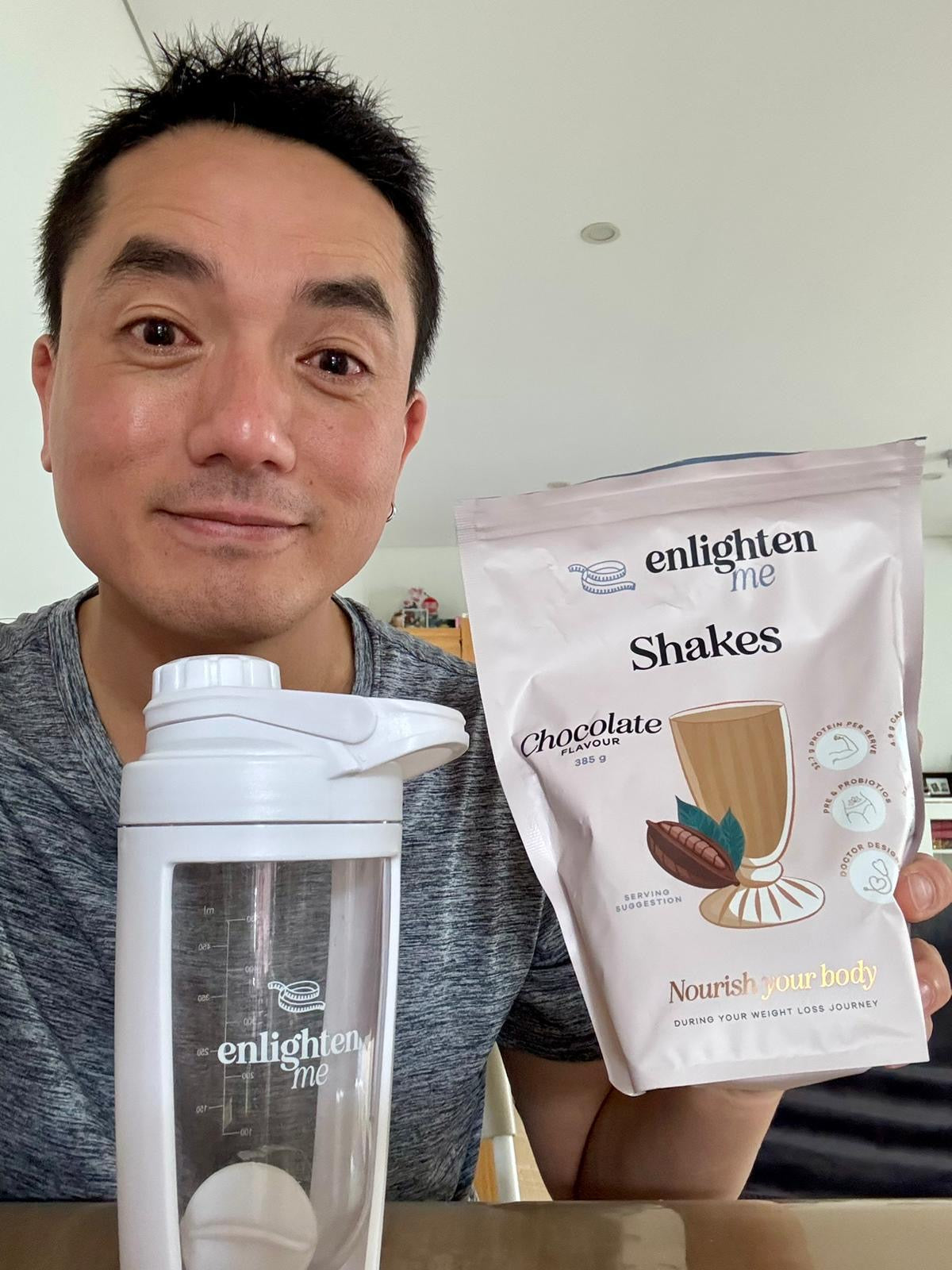
(And where relevant, the Enlighten Me Shakes often function well in this role but only when the intention is stability, not dieting.)
3. “How do I reach my protein needs if I don’t feel like eating?”
Across our clinic, this is one of the most practical barriers to sustainable weight management.
Many people consuming less food especially while using GLP-1 medications, inadvertently meet only 40–60% of their daily protein needs.
Why this matters:
-
Low protein increases cravings
-
Energy dips become more frequent
-
Strength and recovery decline
- Metabolism slows over time
The simplest solution?
-
A protein-first morning anchor - a shake, yoghurt bowl or balanced, digestible meal
-
Adding protein to snacks to stabilise the day
It’s the “aha” moment for most people:
Protein isn’t about dieting - it’s about keeping your physiology steady.
4. “Is it normal for my energy to dip even though I’m eating less?”
Yes - and understanding why helps reduce self-blame.
Common contributors:
-
Less food = less available energy
-
Irregular eating = fluctuating glucose
-
Midlife brings a different circadian appetite rhythm
-
GLP-1s extend the gap between hunger cues
-
Lower hydration reduces stamina
When patients hear this, they stop framing it as a willpower problem.
The solution isn’t force - it’s gentleness:
Anchors → predictable energy → calmer appetite → fewer crashes.
5. “What does sustainable weight management actually look like now?”
2026 is the year people are officially done with:
-
being “good”
-
starting over on Monday
-
rigid plans
-
perfectionism
What they want and what actually works:
-
gentle structure
-
flexible anchors
-
consistent protein
-
predictable meals
-
permission for imperfect weeks
-
physiology-led decisions
The takeaway we hear most:
“It doesn’t feel like dieting - it feels like clarity.”
6. “How do I know if I’m doing this right?”
A question rooted in uncertainty and one that softens quickly with a reframing.
You’re doing it right if:
-
your days feel more grounded
-
meals feel more predictable
-
hunger feels less chaotic
-
energy feels steadier
-
intake feels balanced, not forced
-
you feel calmer around food
Weight management in 2026 is not about control.
It’s about trusting the rhythm you build.
The Thread Connecting All These Questions
The concerns may be modern.
But the principles remain timeless:
-
physiology
-
predictability
-
protein
-
gentle anchors
-
small, repeatable habits
-
no perfection required
At Enlighten Me, our mission is to help you build a routine that supports your appetite, energy and long-term goals - no matter your age, medication stage or season of life.
If you’re craving clarity, you’re not alone.
And if you’re ready for steadier days, you’re exactly where you need to be.