
Understanding Hunger on GLP-1s And After Coming Off Them
Share
Why appetite feels different and how to bring back steadiness
For many people, starting or stopping a GLP-1 medication brings noticeable shifts in appetite, fullness and eating rhythm.
At Enlighten Me, we see these patterns every day. Understanding why hunger feels different can bring clarity, reassurance and a gentler path forward.
This isn’t about restriction.
It’s about physiology and supporting your body with predictable, nourishing structure.
Why Hunger Feels Different on GLP-1s
GLP-1 medications do more than lower appetite. They change the pattern of hunger. Here are the most common shifts we see in practice.
1. Usual portion sizes suddenly feel impossible to finish
Meals that once felt “light” can become overwhelming.
This is not a lack of discipline, it’s slower gastric emptying and stronger fullness signals.
2. Appetite quiets down, and meals get forgotten
Hunger cues become softer and less reliable.
Many people unintentionally skip meals because appetite simply doesn’t “speak up” in the same familiar way.
3. Larger or greasier meals can feel uncomfortable
Heavy or high-fat meals may trigger nausea, bloating or reflux.
Gentler, lighter meals especially earlier in the day - tend to digest more comfortably.
4. Eating patterns become irregular
With altered hunger cues, people often drift into:
-
grazing
-
skipping meals
-
late-day overeating
-
relying on convenience food
Irregular eating increases food noise and makes energy harder to stabilise.
Midlife Adds Another Layer
During peri/menopause, hormonal changes naturally affect appetite and energy regulation.
Instead of a predictable “morning hunger vs afternoon hunger” pattern, midlife often creates fluctuations throughout the day. Eating only in response to these signals can make energy, mood and concentration less stable.
When midlife physiology combines with the appetite-modifying effects of GLP-1s, people commonly experience:
-
appetite disappearing at times you want to eat
-
cravings when you’re not expecting them
-
long gaps without food, followed by energy crashes
-
difficulty meeting protein needs
-
fogginess, irritability or low stamina
A predictable nutrition anchor helps enormously here.
What Helps? Stabilising Foods + Gentle Structure
Rather than relying on fluctuating hunger cues, we encourage the use of a simple, supportive framework.
1. Create a morning anchor
A balanced shake, yoghurt bowl or protein-rich breakfast offers:
-
early protein
-
steady morning energy
-
predictable appetite
-
reduced evening overeating
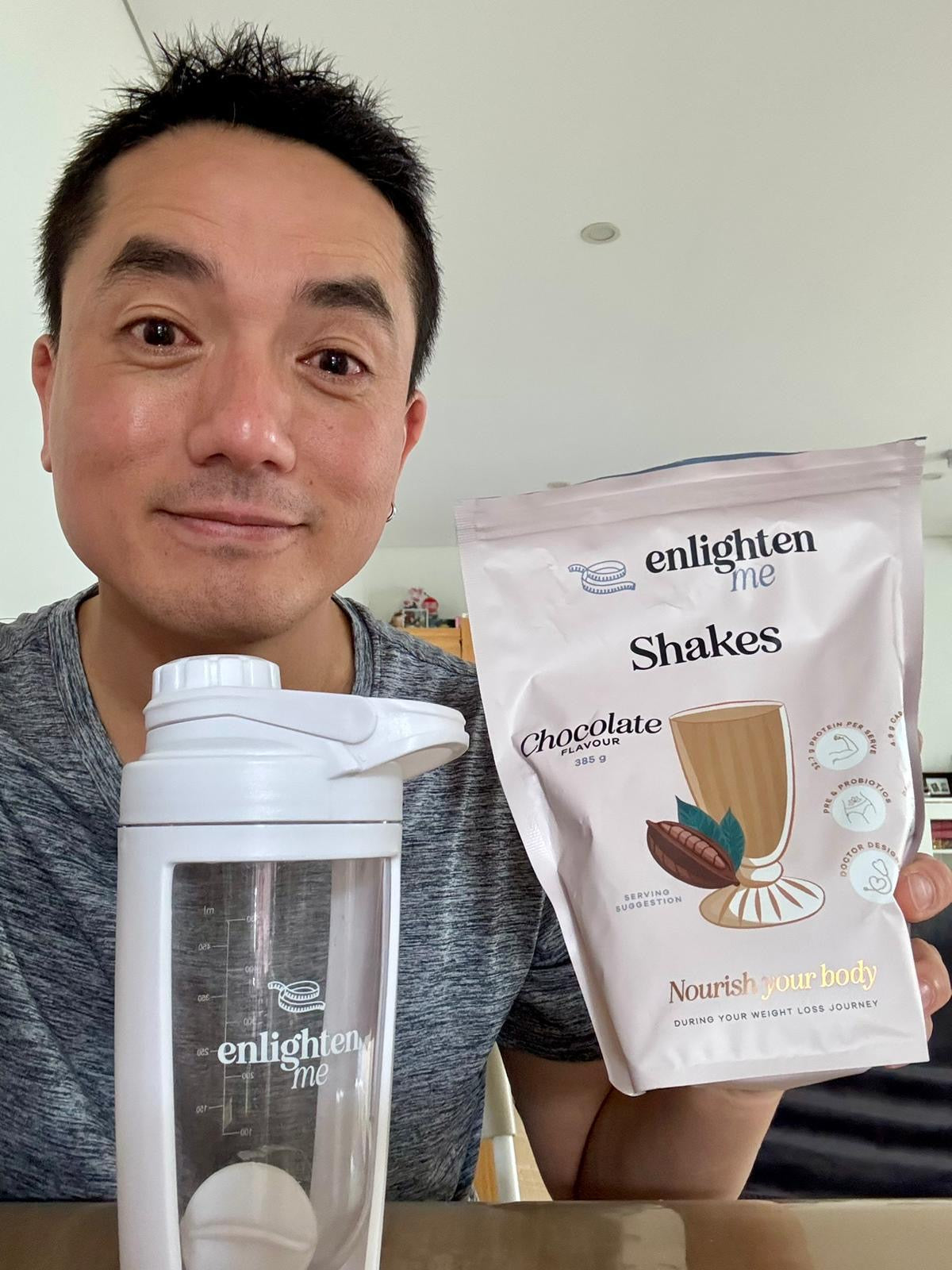
Many people find the Enlighten Me Shakes particularly helpful here because they provide over 32g of protein in a light, easily digestible serve. We talked more about anchors in the recent Shakes Masterclass, and a replay is now available.
2. Prioritise consistent protein intake
On GLP-1s, many people naturally eat less — often 40–60% of what they need for muscle maintenance, metabolism and energy stability.
Protein-first structure is far more reliable than waiting for hunger to appear.
3. Favour lighter meals that digest easily
Particularly useful when:
-
appetite is low
-
portion sizes feel overwhelming
-
heavier foods trigger symptoms
4. Plan nourishment for busy days
With appetite cues blunted, it’s easy to unintentionally go long stretches without food.
A gentle plan reduces decision fatigue and prevents late-day crashes.
The Takeaway
GLP-1s don’t break hunger - they change the pattern of hunger.
Midlife doesn’t break metabolism - it changes the rhythm of metabolism.
Both situations benefit from:
-
predictable anchors
-
protein-first habits
-
gentle structure
-
balanced, digestible meals
Not rigidity.
Not restriction.
Not perfection.
Just physiology - supported with consistency and care.